
How to Get from Tokyo to Osaka: Shinkansen, Bus, Flight or Car
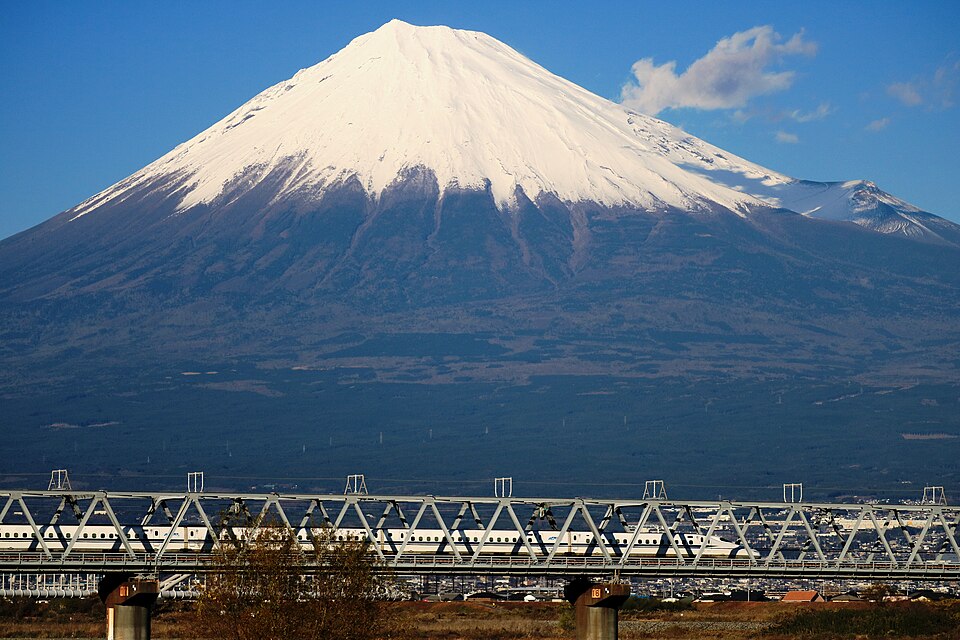
Tokyo and Osaka are Japan's two largest metropolitan areas, roughly 400 km apart in a straight line and a little over 500 km by road. The corridor between them is one of the busiest intercity routes in the world, which is good news for travellers: there are frequent options for almost every budget and schedule. This guide walks through each one so you can pick the best fit, then check live options for your date with the Tokyo to Osaka route planner.
The short answer
For most visitors the Tokaido Shinkansen (bullet train) is the best balance of speed, comfort and simplicity. It runs city centre to city centre, needs no airport check-in, and departs many times an hour through the day. If cost matters more than time, an overnight highway bus is usually the cheapest option and saves a night of accommodation. Flights rarely save time once you add airport transfers, but can make sense if you are connecting from an international flight. Driving is the slowest and, once tolls and fuel are counted, rarely the cheapest for one or two people.
Option 1: Tokaido Shinkansen
The Tokaido Shinkansen connects Tokyo Station and Shinagawa with Shin-Osaka, stopping at places like Shin-Yokohama, Nagoya and Kyoto along the way. There are three service types:
- Nozomi – the fastest, with the fewest stops. The trip takes roughly two and a half hours.
- Hikari – a few more stops, usually around three hours.
- Kodama – stops at every station and takes closer to four hours. It is quieter and often has spare unreserved seats.
Each train has reserved cars, Green Car (first class) cars and, on most services, unreserved cars. On busy days such as Golden Week, Obon in August and the New Year holidays, reserving a seat in advance is strongly recommended. Outside those periods you can often buy a ticket at the station on the day.
Seat tip: travelling west from Tokyo, Mount Fuji appears on the right-hand side of the train, which in standard cars is the E-seat side. The view lasts only a few minutes around Shin-Fuji and needs clear weather, so do not plan your trip around it.
Shin-Osaka is not in central Osaka. From there, take the JR Kyoto Line one stop to Osaka Station (Umeda) or the Midosuji subway line south to Umeda, Namba and Tennoji.
Is the Japan Rail Pass worth it for this trip?
A single Tokyo–Osaka return on its own does not usually justify a nationwide Japan Rail Pass. The pass becomes better value when you add more long-distance legs, for example continuing to Hiroshima or travelling up to Tohoku. Read our Japan Rail Pass guide before buying, and check the current pass price against individual tickets.
Option 2: Highway and night buses
Several operators run daytime and overnight buses between Tokyo (Shinjuku Expressway Bus Terminal, Tokyo Station and other stops) and Osaka (Umeda, Namba and Universal Studios Japan area). Daytime journeys take around eight to nine hours; overnight services leave in the late evening and arrive early the next morning.
Buses range from basic four-across seating to premium three-across or private-pod layouts with curtains, reclining seats and charging points. Fares vary a lot by season, day of the week and seat type, so compare a few operators. The main trade-off is sleep: even on a comfortable bus, most people arrive more tired than they would after a bed and a morning train.
Option 3: Flying
Flights connect Tokyo's Haneda and Narita airports with Osaka's Itami (domestic) and Kansai International airports. The flight itself is only a little over an hour, but you also need to get to the airport, pass security and travel into the city at the other end. Door to door, flying is usually no faster than the Shinkansen, and often slower.
Flying can make sense when:
- you are arriving internationally at Narita or Haneda and connecting onward;
- you find a low-cost carrier sale on your date;
- you are travelling with a large amount of luggage that is easier to check in.
Option 4: Driving
The drive follows the Tomei and Shin-Tomei expressways, then the Meishin expressway, and typically takes six to eight hours depending on traffic and stops. Japanese expressways are excellent but tolled, and city parking in Tokyo and Osaka is expensive. A car is most useful if you want to detour to places that trains do not reach easily, such as the Fuji Five Lakes or the Ise Peninsula.
How to choose
- Short on time? Take the Nozomi.
- On a tight budget? Compare overnight buses and early low-cost flights.
- Travelling with a rail pass? Check whether your pass covers Nozomi or only Hikari and Kodama, and whether a supplement applies.
- Want to stop on the way? Break the trip in Kyoto, which is 15 minutes from Shin-Osaka by Shinkansen. You can plan this with Tokyo to Kyoto and then Kyoto to Osaka.
About prices
We do not quote fixed fares here because they change with season, seat class and booking channel. On Tokyo2Us, every option shows either a recent cached fare or a clearly labelled estimate range, and booking buttons take you to the operator or a partner to see the live price. Always confirm before you pay.
Planning the rest of your trip
Osaka is a natural base for Kyoto, Nara, Kobe and Himeji, all of which are within about an hour by train. See our Japan country guide for top places and suggested itineraries.
A sample day: Tokyo to Osaka by Shinkansen
To make the comparison concrete, here is how a typical door-to-door trip by bullet train looks. Leave a hotel in Shinjuku and take the JR Chuo Line to Tokyo Station, which takes around 15 minutes. Allow another 10 to 15 minutes to find the Shinkansen gates and buy a bento for the journey. The train itself takes roughly two and a half hours, then you need 5 to 20 minutes on the local line or subway into central Osaka. In total, that is usually three to three and a half hours. A flight on the same day often takes four hours or more once airport transfers and security are counted.
Luggage rules on the Tokaido Shinkansen
Large suitcases need a reservation for an "oversized baggage" seat on the Tokaido, Sanyo and Kyushu Shinkansen. This applies to bags whose three dimensions add up to more than 160 cm. Smaller bags fit in the overhead racks. If you are travelling with big cases, reserve the right seat when you book, or send your luggage ahead with a delivery service such as takkyubin.
Photo credits
Photo: Jordy Meow, CC BY-SA 3.0
FAQ
- How long does the bullet train take from Tokyo to Osaka?
- The fastest Nozomi services take roughly two and a half hours from Tokyo Station to Shin-Osaka. Hikari trains take about three hours and Kodama trains about four.
- What is the cheapest way from Tokyo to Osaka?
- Highway buses, especially overnight services, are usually the cheapest. Low-cost flights can sometimes compete if booked early. Check the labelled estimates and live partner prices on Tokyo2Us for your date.
- Do I need to reserve Shinkansen seats?
- Outside peak holidays you can often buy on the day, and most trains have unreserved cars. During Golden Week, Obon and New Year, reserve in advance.
- Is flying from Tokyo to Osaka faster than the train?
- Rarely. The flight is short, but airport transfers and security usually make the total journey similar to or longer than the Shinkansen.
Partner links may earn us a commission at no extra cost to you. Learn more
Related guides
 RoutesDubai to Abu Dhabi: Bus, Taxi, Car or TrainHow to get from Dubai to Abu Dhabi by intercity bus, taxi, rental car or rail, with practical tips on payment cards, timing and t…
 RoutesBangkok to Chiang Mai: Sleeper Train, Bus or FlightEvery way to travel from Bangkok to Chiang Mai compared – the overnight sleeper train, VIP buses, flights and driving – with book…
 RoutesLondon to Edinburgh: Train, Sleeper, Coach or Flight?Compare every way from London to Edinburgh: LNER and Avanti trains, the Caledonian Sleeper, coaches and flights, with tips for ch…